
Our Services
Struggling with Acne or Oily Skin?
Acne is treatable—timely management can restore healthy, confident skin.
Evidence-Based
Safe & Effective
Expert Care
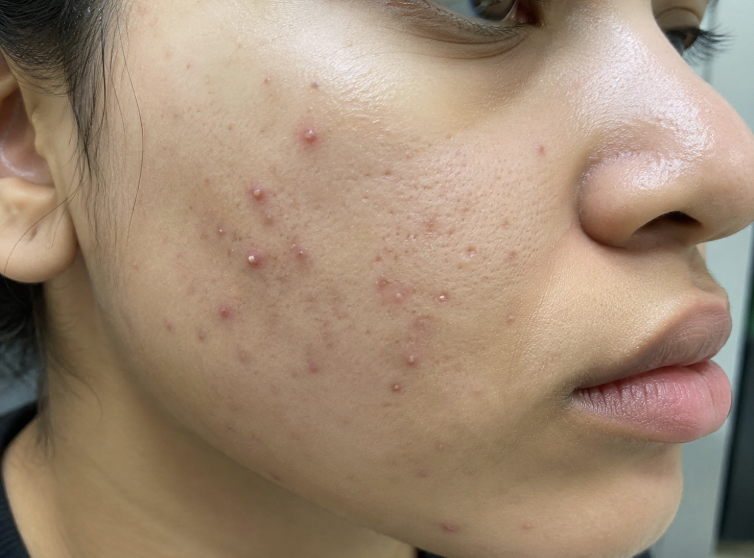
Persistent acne may have causes beyond the skin.
Common Signs & Symptoms
Do These Breakouts Look Familiar?
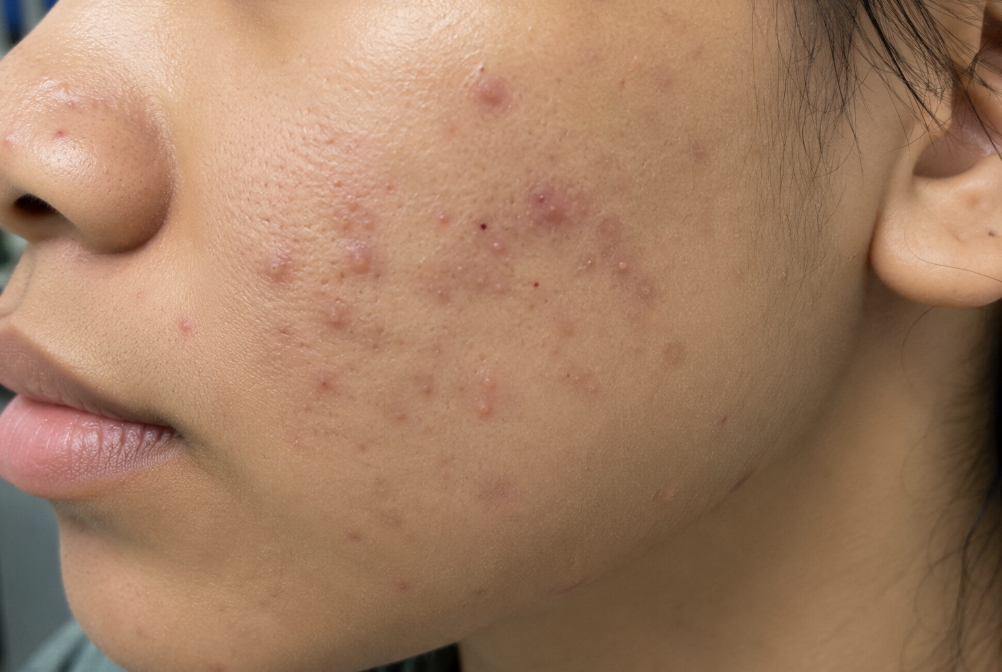
Frequent pimples
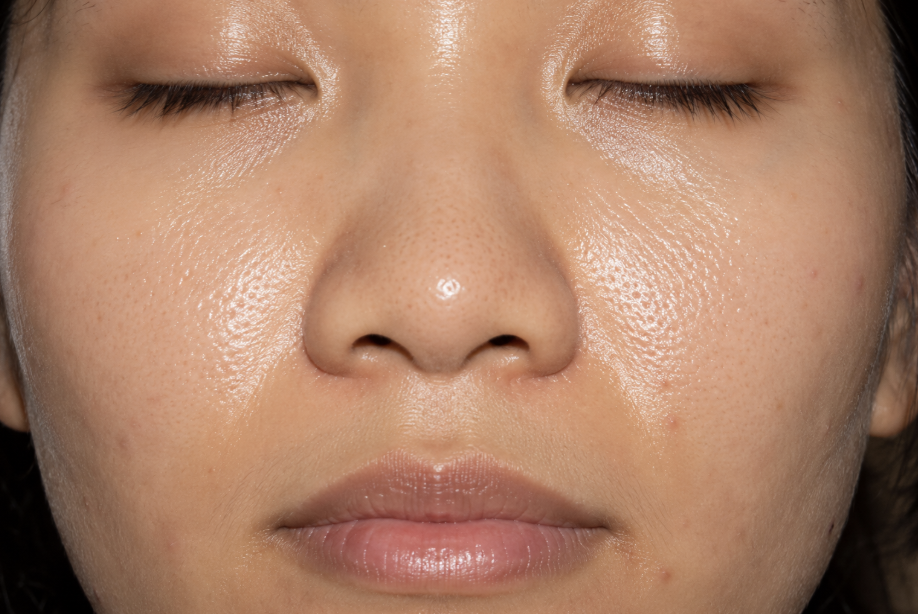
Oily skin
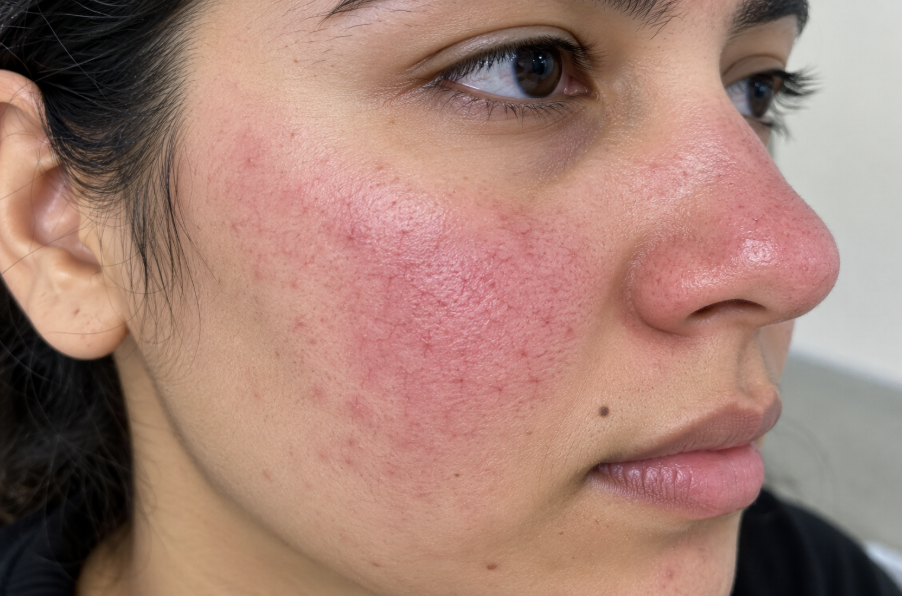
Rosacea
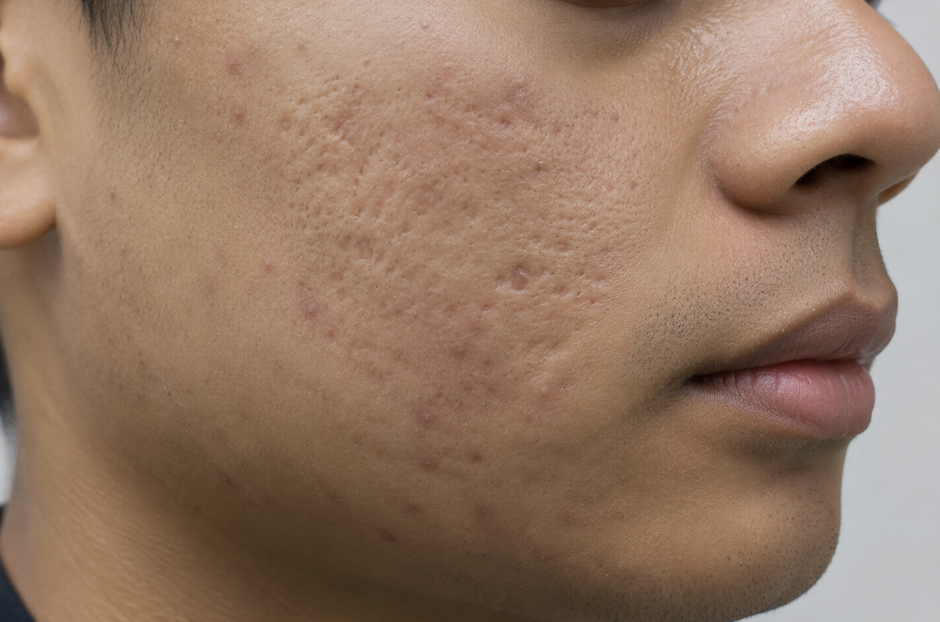
Acne scars
Contributing factors
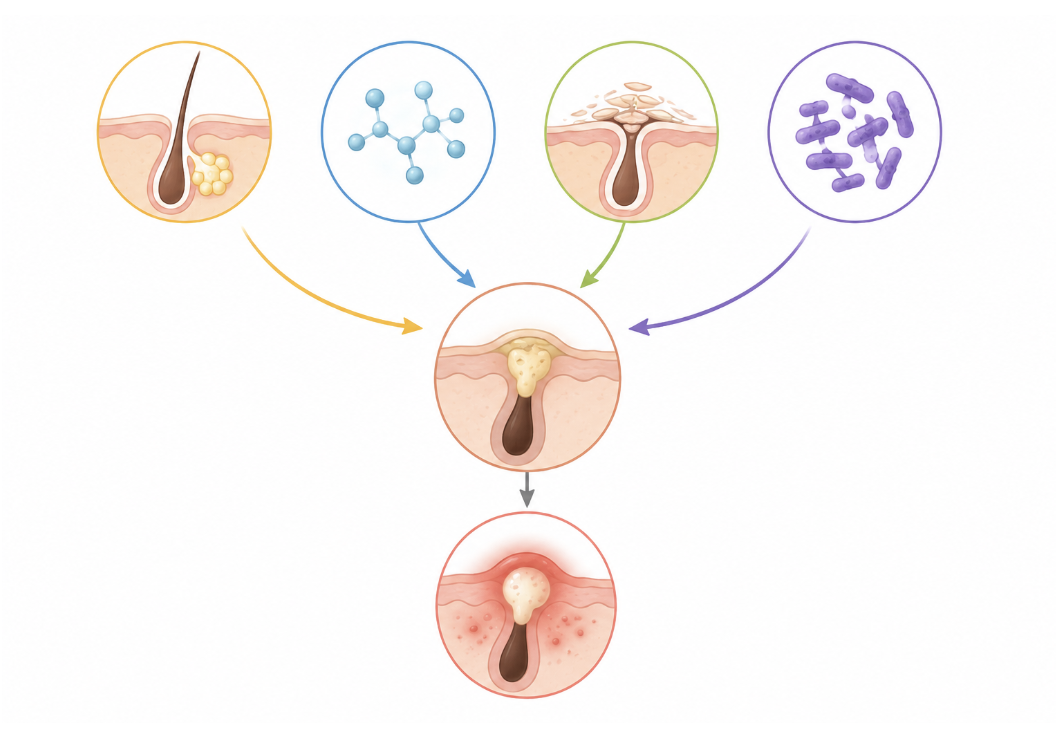
Why Acne Happens?
Excess Oil Production
Overactive sebaceous glands produce excess sebum, which can clog pores and contribute to acne formation.
Hormonal Changes
Hormonal fluctuations, particularly increased androgens, stimulate oil glands and increase the risk of acne.
Abnormal Keratinization
Excess shedding and accumulation of dead skin cells block hair follicles, leading to comedone formation.
Bacterial Growth
Overgrowth of Cutibacterium acnes within clogged follicles triggers inflammation and acne lesions.
How our Online Consultation works
Step 01
Upload Skin Photos
Take clear photos of the affected skin area from multiple angles for accurate clinical evaluation.
Step 02
Expert Assessment
Dr. Charu carefully reviews your skin condition, medical history, and submitted photos in detail.
Step 03
Customized Plan
Receive a personalized treatment plan, prescription guidance, and lifestyle recommendations.
Clinical overview
Diagnosis & Treatment Approach
Investigations & Analysis
Hormonal Profile
PCOS Evaluation
Blood Tests
Pregnancy Test
Microbiological Tests
Treatment methods
Oral medications & Topical creams
Comedone extraction & Intralesional injections
Chemical peels
Light & Laser based devices
Scar Management

Your skin needs more than a single visit -get guided care with regular monitoring.

Board Certified Dermitologist
MD Dermatology